
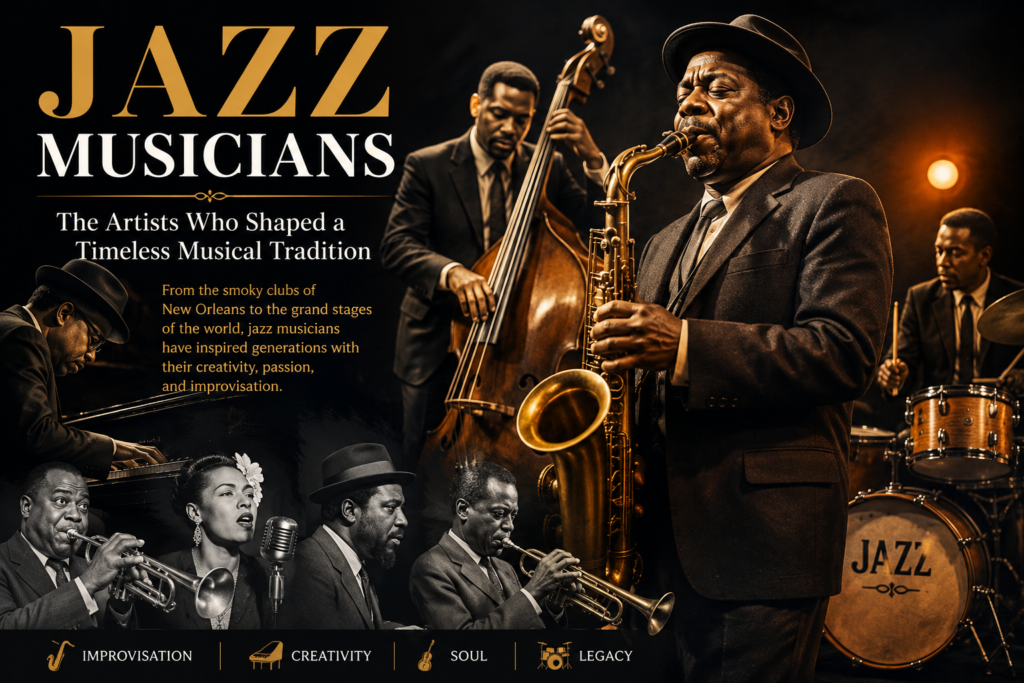

Jazz musicians have played one of the biggest roles in the history of modern music. From small clubs in New Orleans to famous concert halls around the world, they have created a style that is full of emotion, creativity, and freedom. Jazz is not just a type of music. It is a way for artists to tell stories through sound, often without saying a single word.
Over the years, jazz musicians have influenced rock, pop, hip-hop, soul, and many other music styles. Their ability to improvise, listen to one another, and create something new during every performance makes jazz special. Even today, young artists continue to study the work of earlier while adding their own fresh ideas to the tradition.
What Makes Jazz Musicians Special?
Jazz musicians stand out because they often create music in the moment. Unlike many music styles where every note is planned before a concert, jazz allows artists to improvise. This means they can change melodies, rhythms, and solos depending on how they feel and how the other musicians are playing.
This freedom requires great skill. A jazz musician must understand music deeply while also being ready to react quickly. During a live performance, one player may start a new idea, and the rest of the group follows. Because of this, no two jazz performances are exactly the same.
Another special quality is communication. listen closely to one another. They may answer a trumpet solo with a saxophone phrase or support a piano player with a new rhythm. This musical conversation is one of the reasons jazz feels alive and exciting.
The Origins of Jazz Musicians
The story of jazz musicians begins in New Orleans, Louisiana, in the early twentieth century. The city was home to people from many cultures, including African, French, Spanish, and Caribbean communities. Their musical traditions mixed together and helped create the sound that became jazz.
African musical traditions brought strong rhythms, call-and-response singing, and expressive melodies. European music added instruments such as trumpets, clarinets, and pianos. Blues, ragtime, and marching band music also influenced the early jazz sound.
As musicians traveled north to cities like Chicago and New York, jazz continued to change. New styles appeared, and jazz musicians became more famous. Soon, recordings and radio programs introduced jazz to listeners around the world.
Famous Jazz Musicians Who Changed Music
Many jazz musicians became legends because of their talent and influence. Their recordings are still studied by students and enjoyed by fans today.
| Jazz Musician | Main Instrument | Known For |
| Louis Armstrong | Trumpet | Warm tone and joyful singing |
| Duke Ellington | Piano | Big band compositions |
| Charlie Parker | Saxophone | Bebop jazz |
| Miles Davis | Trumpet | Cool jazz and jazz fusion |
| John Coltrane | Saxophone | Powerful improvisation |
| Ella Fitzgerald | Voice | Smooth vocals and scat singing |
| Thelonious Monk | Piano | Unique melodies |
| Billie Holiday | Voice | Emotional performances |
These artists each brought something different to jazz. Some changed how instruments were played, while others changed how singers used their voices.
Jazz Musicians and Improvisation
Improvisation is at the heart of jazz. It means creating music while performing instead of playing every note exactly as written. often begin with a familiar song called a standard. After playing the melody, they take turns creating solos.
A good solo is not random. The musician follows the song’s chords and rhythm while adding personal ideas. Years of practice help develop the confidence to improvise naturally.
For listeners, improvisation makes every concert exciting. Even if the same group performs the same song on two nights, the solos may sound completely different. That’s one reason many people enjoy hearing jazz live.
The Instruments Used by Jazz Musicians
Jazz musicians use many different instruments, but some are especially common.
Popular jazz instruments include:
- Trumpet
- Saxophone
- Piano
- Double bass
- Drums
- Clarinet
- Trombone
- Guitar
Each instrument has its own role. The drums keep time, the bass provides the foundation, and the piano often supports the harmony. Horn players usually perform the main melodies and solos.
When these instruments come together, they create the rich sound that jazz is known for. A small jazz group may have only three or four musicians, while a big band can include more than fifteen players.
Jazz Musicians and Different Jazz Styles
Jazz has changed many times throughout its history. Different groups of jazz musicians created new styles as music and culture evolved.
Some important jazz styles include:
- New Orleans jazz
- Swing
- Bebop
- Cool jazz
- Hard bop
- Free jazz
- Jazz fusion
- Smooth jazz
Swing became popular during the nineteen thirties and was known for danceable rhythms and large bands. Bebop arrived later with faster tempos and more complex melodies. Jazz fusion mixed jazz with rock and electric instruments, creating a completely new sound.
These styles show how creative have always been. Instead of staying the same, jazz has continued to grow.
How Jazz Musicians Work Together
A jazz group depends on teamwork. While each musician may have a chance to solo, everyone must listen carefully to the others. If one player changes the rhythm or mood, the rest of the band often adjusts immediately.
The bandleader usually guides the group, but jazz is not about one person doing everything. Every musician has a voice. Even when someone is not playing a solo, they are supporting the music with chords, rhythms, or bass lines.
This teamwork teaches important lessons about respect and communication. trust one another, knowing that each player will help the music move forward.
The Influence of Jazz Musicians on Other Music
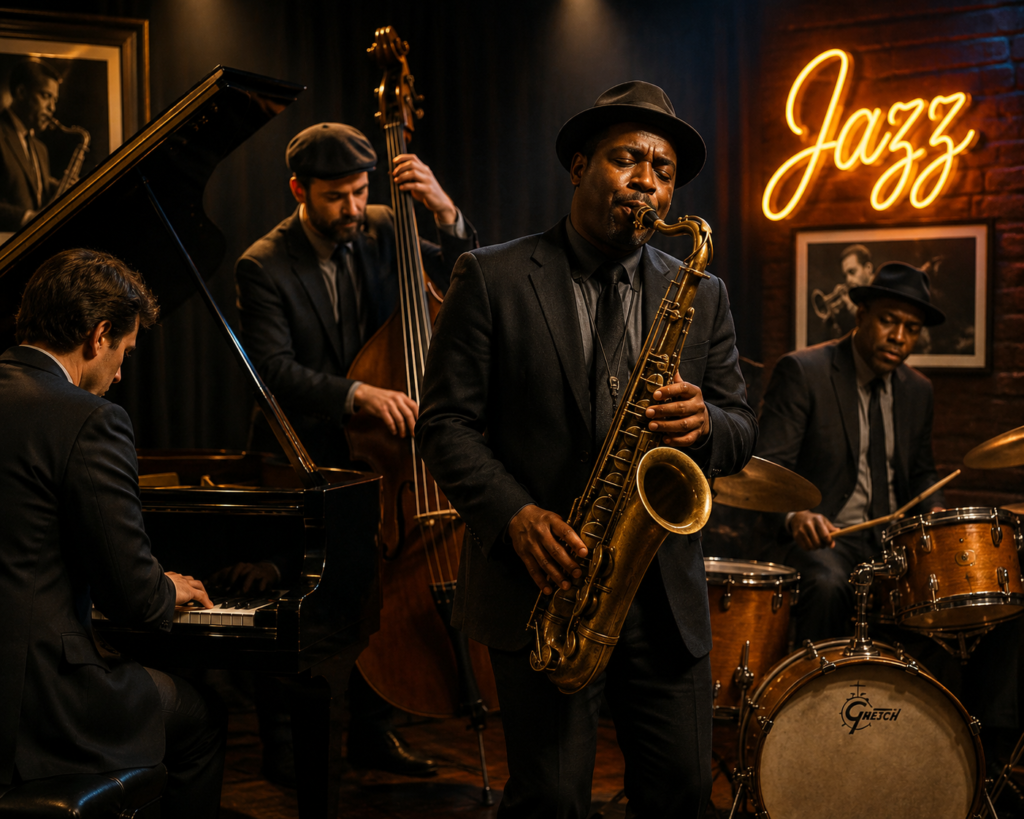
The influence of jazz musicians can be heard almost everywhere. Rock guitarists borrowed jazz chords. Pop singers learned phrasing from jazz vocalists. Hip-hop producers often sample jazz recordings.
Soul and R&B musicians also use jazz harmonies and rhythms. Even movie soundtracks sometimes include jazz because it can create feelings of mystery, excitement, or romance.
Without jazz musicians, modern popular music would sound very different. Their ideas continue to inspire artists across many genres.
Becoming a Jazz Musician
Becoming a jazz musician takes time, patience, and dedication. Most musicians begin by learning the basics of their instrument. They study scales, chords, rhythm, and music reading before moving on to improvisation.
Listening is also very important. Young musicians often spend hours listening to recordings by famous jazz artists. By doing this, they learn different styles and begin developing their own musical voice.
Helpful steps for future jazz musicians include:
- Practice every day.
- Listen to many jazz recordings.
- Learn music theory.
- Play with other musicians.
- Attend live jazz performances.
- Be patient and enjoy the learning process.
Many successful say that playing with others helped them improve faster than practicing alone.
Jazz Musicians in Today’s World
Jazz is still alive and growing. Modern combine traditional sounds with influences from hip-hop, electronic music, world music, and classical music. This keeps the genre interesting for new audiences.
Music schools around the world teach jazz performance. Festivals bring together artists from different countries, and streaming services make jazz easier to discover than ever before.
Young musicians continue to respect the legends while creating new sounds. This balance between tradition and innovation helps jazz remain an important part of the music world.
Why Jazz Musicians Still Matter
Jazz musicians matter because they represent creativity, courage, and cultural history. Their music tells stories about communities, struggles, celebrations, and everyday life. Jazz also encourages people to listen carefully and appreciate the ideas of others.
In a world where much music is carefully produced with technology, jazz reminds us of the beauty of live performance. Every concert contains moments that can never be repeated exactly. That sense of surprise is one of jazz’s greatest strengths.
The legacy of also reaches beyond music. They have influenced fashion, art, literature, and social movements. Their creativity continues to inspire people to think differently and express themselves freely.
Interesting Facts About Jazz Musicians
Jazz has a long and fascinating history filled with memorable moments.
Here are some interesting facts:
- Jazz began in New Orleans.
- Many early jazz musicians learned by ear before reading music.
- Improvisation is one of jazz’s defining features.
- Jazz musicians often play the same song differently at every performance.
- Jazz spread around the world through records, radio, and touring.
- Many famous jazz artists also became respected composers.
- Jazz continues to develop new styles today.
These facts show why jazz remains one of the world’s most creative musical traditions.
Frequently Asked Questions About Jazz Musicians
What do jazz musicians do?
Jazz musicians perform music that often includes improvisation. They may play instruments or sing while creating new musical ideas during a performance.
Who is considered the most famous jazz musician?
Many people consider Louis Armstrong one of the most famous because of his influence on trumpet playing and jazz singing.
Why do jazz musicians improvise?
Improvisation allows musicians to express their feelings and create unique performances. It also lets them interact with the other members of the band.
Is jazz difficult to learn?
Jazz can be challenging because it requires knowledge of rhythm, harmony, and improvisation. However, with regular practice and guidance, many people learn to play and enjoy it.
Do jazz musicians still perform today?
Yes, continue to perform in clubs, festivals, schools, and concert halls around the world. New artists are also creating modern forms of jazz.
What instruments are most common in jazz?
The trumpet, saxophone, piano, drums, double bass, guitar, trombone, and clarinet are among the most common jazz instruments.
Conclusion
Jazz musicians have created one of the richest and most influential musical traditions in history. Through improvisation, teamwork, and years of dedication, they have produced music that continues to move listeners across generations. From the early sounds of New Orleans to today’s modern jazz scene, their creativity has never stopped growing.
The story of jazz is really the story of people listening, responding, and creating together. Whether you are hearing a classic recording or watching a live performance, jazz offers something new each time. That lasting spirit of freedom and expression is why remain respected, inspiring, and deeply important in the world of music.
Stay connected with VoxTrend for the latest ideas, trends, updates & inspiring stories!